All Categories
Featured

Aligning CRE Greenspace for 2026 ESG Standards
Table of Contents
This consists of information and stats on industry market share concentration, barriers to entry, substitute items and buyer & provider power. Concerns responded to in this chapter include what affects the industry's market share concentration, how do effective companies manage concentration, what difficulties do potential industry entrants deal with, how can potential entrants overcome barriers to entry, what are alternative to industry services, how do successful companies take on replacements and what power do buyers and suppliers have more than the market and how do successful services handle buyer & supplier power.
This includes data and analysis on business operating in the market that hold a market share greater than 5%. Concerns responded to in this chapter include what companies have a significant market share and how each company is carrying out. The External Environment chapter covers Key Takeaways, External Drivers, Regulation & Policy and Assistance in the Landscaping Services industry in the United States.
Questions answered in this chapter include what group and macroeconomic factors impact the industry, what guidelines affect the market, what assistance is available to this industry. The Financial Benchmarks chapter covers Key Takeaways, Expense Structure, Financial Ratios, Appraisal Multiples and Key Ratios in the Landscaping Solutions market in the United States.
Concerns addressed in this chapter include what trends impact market expenses and how monetary ratios have actually altered overtime. The Market Data chapter includes 10 years of historical information with 5 years of forecast data covering stats like income, market value add, facilities, business, work and earnings in the Landscaping Services market in the United States.
Landscaping ProfessionalsThe Evolution of CRE Landscaping Via ESG
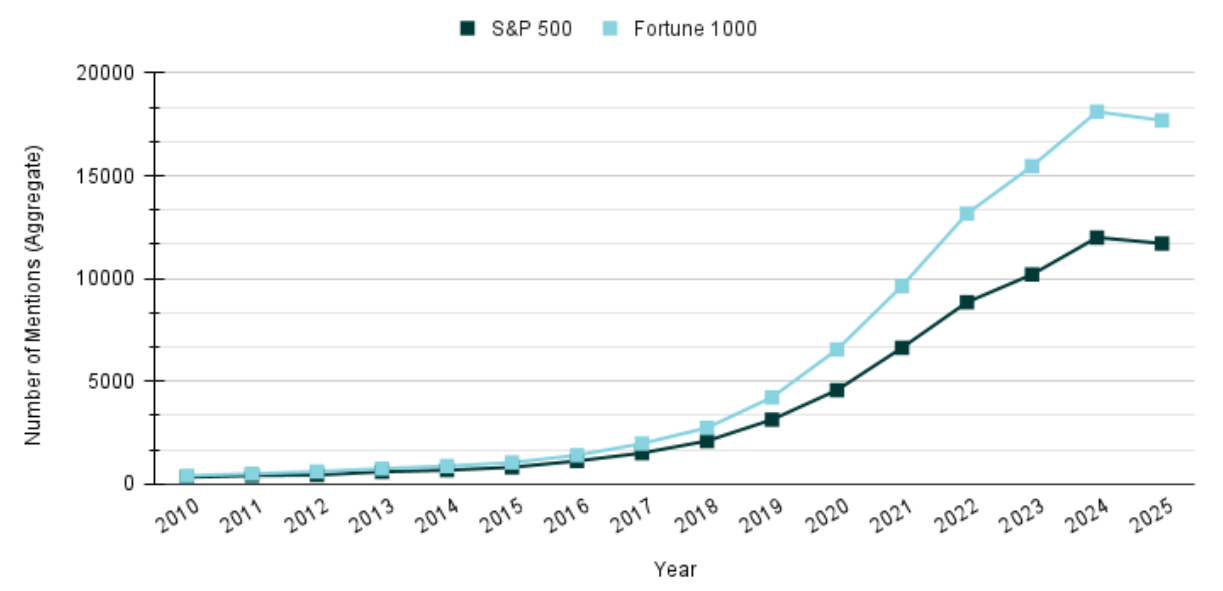
In our brand-new,, we take a look at today's company landscape and how ESG has actually emerged as an important consideration, especially for mid-market business. Companies are dealing with mounting pressures from regulators, consumers, financiers, and various stakeholders, all of whom are increasingly focused on the collection and disclosure of ESG data.
Here, business leaders discover themselves charged with resolving the rising need for sustainability information while starting the tough journey of establishing comprehensive ESG programs from scratch. Our new offers important insights into market dynamics around ESG, environment & sustainability. Access the study to discover important insights into the US mid-market, distinguished the point of view of 100 C-suite workers and sustainability leaders at mid-market United States business.
The research study was performed in August 2023 with business across 17 sectors to provide an industry-agnostic view of management views on ESG. The ESG Trends Survey is a yearly research initiative by Get Good Lab designed to record the newest insights, difficulties, and emerging patterns across Environmental, Social, and Governance (ESG) practices.
The survey is perfect for sustainability leaders, ESG professionals, business executives, and impact-focused decision-makers across markets. Whether your organization is just beginning or advancing its ESG journey, your input includes worth to the wider community. All survey reactions are anonymized and aggregated to develop a detailed report on ESG patterns.
Involvement in the study is totally totally free. When the study closes, Get Good Laboratory will release a summary report of the essential findings, which will be offered to all individuals and subscribers at no expense. You can register on this page to be notified when the complete study report is released.
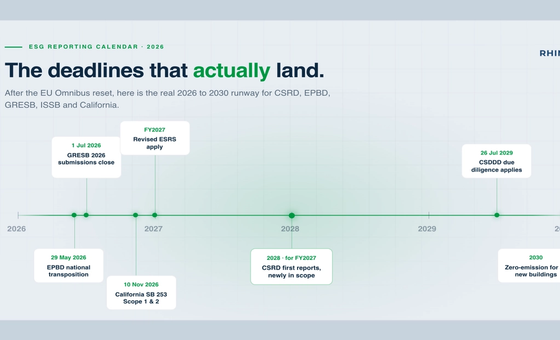
The ESG reporting market is going into a less ideological and more operational phase. The concern in 2026 is no longer whether sustainability disclosure will matter.
Why Water-Wise Plantings Boost CRE ESG Ratings
They are years for redesigning reporting systems so that one underlying data model can serve multiple programs. The most significant structural shift is the ongoing rise of the ISSB structure as the worldwide investor-oriented standard. In June 2025, the IFRS Foundation stated 36 jurisdictions had adopted or otherwise used ISSB Standards, or were in the process of settling actions to present them into regulation.

Latest Posts
Advantages of Regional Facility Service for SoCal

Future-Proofing Properties Via Sustainability Audits

How to Scale Maintenance Quality At Regional Hubs