All Categories
Featured
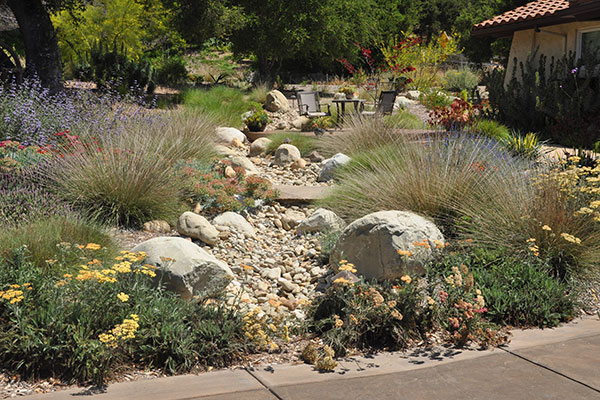
Optimizing Water Efficiency Through California Greenspace Updates
Table of Contents
That matters, considered that the energy plants account for about half of the water utilized on campus in a typical year.
This site explains how to develop and install California friendly landscaping, watering methods and equipment that will help you water your landscape more effectively, and tips on how to quickly and efficiently preserve your garden. Please click on Lawn to Garden for instances of gardens that include style elements that are turf refund eligible.
2004-2025 Jadene Mayla, All Rights Reserved.
"Sustainable landscapes are responsive to the environment, re-generative, and can actively contribute to the development of healthy neighborhoods. - From the American Society of Landscape Architects WE CAN SIGNIFICANTLY DECREASE YOUR LANDSCAPES WATER AND ENERGY USE, WHILE PRODUCING A MORE LUSH, BEAUTIFUL, AND ENVIRONMENTALLY SUSTAINABLE GARDEN SPACE FOR YOU AND YOUR HOUSEHOLD TO DELIGHT IN!
We utilize only the most efficient water-saving and lighting innovation in our styles that require simply a portion of the water and energy that older systems use. CBL create environment for local and migratory bird as well as useful insect populations. We primarily uses organic fertilizers and mulches in our styles and initiates non-toxic insect control programs for all our projects.
Commercial Landscaping PasadenaHow to Convert to Native Landscapes Successfully
It is our objective to develop exterior spaces that are beautiful and lively, that require little water and energy, are healthy and delighted spaces for our customers to take pleasure in, and that also provide functional advantages to our regional environment.
Commercial Landscaping PasadenaRaptors (e.g. hawks, owls, falcons) are large, charming bird types at the top of the food chain. They experienced human-driven population crashes throughout the 19th and 20th centuries. While a subset of these species has actually recovered in the Los Angeles region, others have not and are intolerant of urbanization and other human activities.
Nesting locations of raptors are also crucial indications of community health in city areas like the Los Angeles area. A number of federal government agencies, developers and nonprofit companies gather information on urban-nesting raptors around the Los Angeles Basin, however these efforts are not well-coordinated. If this info can be consolidated, it will work to developing management tools like maps and databases that can help guide local policy and land-use choices.

Comprehensive water recycling, with 70-80% percent of stormwater runoff from around the site infiltrated natural wetlands and mechanical systems, and then used to irrigate the surrounding parkland. 4,609,504 gallons of rainwater recorded annually. Yearly carbon emissions reduction due to planting area of about 240,000 pounds of CO2 sequestered by trees on site 16.65 acres of total planting location (5.4 acres at SoFi Arena, 2.75 acres at Lake Park, and 7 acres of streetscape planting, to name a few 6-plus miles of new tracks and paths (4.17 miles of enhanced direct streetscape consisting of walkways, 1.89 miles of new multi-use trails, and about 2,300 linear feet of new Class II on-street bikeways) More information in the full press release listed below: a near 300-acre sports and entertainment destination being developed by worked with a landscape architecture and city style studio, to develop civic and environmentally conscious landscape options throughout three key areas: water capture and reuse, the utilization of 100 percent Southern California-native plant species, and the continued development of public parks for year-round usage.
Influenced by the initial water function that was part of the former Hollywood Park racetrack, Lake Park consists of an upper and lower lake separated by cascading waterfalls. At around 6 acres and 16 million gallons of water, the lake is surrounded by an extra 6 acres of parkland. The lake functions as a water recycling system by collecting 70-80 percent of stormwater runoff from around the website, filtering it through natural wetlands and mechanical systems, and then utilizing it to water the surrounding parkland.
Eco-Friendly Commercial Maintenance Protocols in 2026
Substantial water recycling, with 70-80% percent of stormwater runoff from around the website infiltrated natural wetlands and mechanical systems, and after that used to water the surrounding parkland. 4,609,504 gallons of rainwater captured each year. Yearly carbon emissions decrease due to planting location of about 240,000 pounds of CO2 sequestered by trees on site 16.65 acres of total planting area (5.4 acres at SoFi Stadium, 2.75 acres at Lake Park, and 7 acres of streetscape planting, among others 6-plus miles of brand-new trails and paths (4.17 miles of improved direct streetscape including sidewalks, 1.89 miles of new multi-use tracks, and about 2,300 direct feet of brand-new Class II on-street bikeways) More information in the complete press release listed below: a near 300-acre sports and entertainment location being developed by worked with a landscape architecture and city design studio, to develop civic and environmentally mindful landscape solutions across 3 essential areas: water capture and reuse, the usage of 100 percent Southern California-native plant types, and the ongoing advancement of public parks for year-round usage.
Motivated by the original water function that became part of the former Hollywood Park racetrack, Lake Park consists of an upper and lower lake separated by cascading waterfalls. At roughly 6 acres and 16 million gallons of water, the lake is surrounded by an additional 6 acres of parkland. The lake operates as a water recycling system by collecting 70-80 percent of stormwater runoff from around the website, filtering it through natural wetlands and mechanical systems, and then utilizing it to irrigate the surrounding parkland.

Latest Posts
Advantages of Regional Facility Service for SoCal

Future-Proofing Properties Via Sustainability Audits
How to Scale Maintenance Quality At Regional Hubs